



different type of sudoku games
### Sudoku Games: A Variety of Challenges
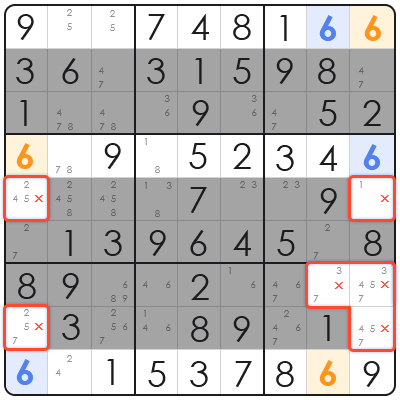
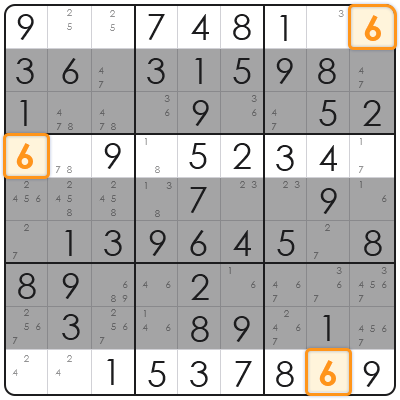
Sudoku is a popular puzzle game that requires players to fill a 9×9 grid with digits so that each column, each row, and each of the nine 3×3 subgrids that compose the grid (also called “boxes”, “blocks”, or “regions”) contains all of the digits from 1 to 9. While the classic Sudoku presents a single challenge, there are various types of Sudoku games that offer different levels of difficulty and unique gameplay experiences.
#### Classic Sudoku
The most traditional form of Sudoku involves filling a 9×9 grid with numbers from 1 to 9, ensuring that each row, column, and 3×3 subgrid contains all the digits exactly once. This type of Sudoku is often the starting point for players new to the game.
#### Sudoku Variants
1. **Jigsaw Sudoku**
– Jigsaw Sudoku adds a twist by dividing the grid into regions of different shapes. The numbers 1 to 9 still need to appear in each row, column, and region, but the regions can have unique shapes, adding a new layer of complexity.
2. **Kakuro**
– Kakuro is a cross between Sudoku and a number crossword puzzle. The grid contains blocks of cells with clues at the bottom. Players must determine the sum of the numbers in each block and write them into the cells, as in a crossword puzzle.
3. **Mini Sudoku**
– Mini Sudoku, or “Nano Sudoku,” is a smaller version of the game, typically a 6×6 grid. It retains the same rules as classic Sudoku but on a smaller scale, making it easier for beginners or those who prefer a quicker game.
4. **Samurai Sudoku**
– Samurai Sudoku takes the concept of region-based Sudoku to the extreme by combining multiple grids. The grid is split into five smaller Sudoku grids, often arranged in a “samurai” warrior’s helmet shape.
5. **Diagonal Sudoku**
– In Diagonal Sudoku, the same rules apply, but in addition to rows and columns, players must also ensure that both diagonals contain the digits 1 to 9.
6. **Sudoku with Extra Regions**
– Some Sudoku variations include additional regions within the grid. These regions can be any shape and may have different names, but the rules remain the same.
7. **Sudoku with Different Grid Sizes**
– There are Sudoku variations that use grids of different sizes, such as 4×4, 5×5, or even larger grids. The challenge remains the same: to fill the grid with the digits from 1 to n, where n is the size of the grid.
#### Frequently Asked Questions (FAQ)
**Q: What is the difference between classic Sudoku and Jigsaw Sudoku?**
A: Classic Sudoku uses a standard 9×9 grid with 3×3 regions, while Jigsaw Sudoku uses irregularly shaped regions, making the placement of numbers more challenging.
**Q: Can I play Sudoku on a computer or mobile device?**
A: Yes, Sudoku is widely available as a mobile app or online game. Many websites and apps offer free versions of the game.
**Q: Are there Sudoku variations that are easier for beginners?**
A: Yes, Mini Sudoku and Sudoku with smaller grids, such as 4×4, are generally easier for beginners due to their reduced complexity.
**Q: Is it possible to solve Sudoku without guessing?**
A: Some Sudoku puzzles can be solved without guessing, but it often requires advanced techniques and a keen eye for patterns. In more difficult puzzles, guessing is sometimes necessary.
**Q: Can Sudoku help improve cognitive skills?**
A: Yes, Sudoku is believed to help improve concentration, logical reasoning, and problem-solving skills. Regular gameplay can contribute to brain health and cognitive abilities.
**Q: Are there Sudoku puzzles for all skill levels?**
A: Absolutely. Sudoku puzzles come in a wide range of difficulty levels, from very easy to extremely challenging, catering to players of all ages and skill levels.