


sudoku number combinations
Sudoku Number Combinations: A Comprehensive Guide to the Classic Puzzles
Sudoku, a popular puzzle game, has captivated minds across the globe with its simple yet challenging gameplay. At its core, Sudoku is a number placement puzzle that requires players to fill a 9×9 grid with digits so that each column, each row, and each of the nine 3×3 subgrids that compose the grid (also called "boxes", "blocks", or "regions") contain all of the digits from 1 to 9. The key to solving Sudoku lies in the combination of numbers and logical deduction. Here’s a detailed guide on Sudoku number combinations and how to play this intriguing game.
Understanding the Sudoku Grid
A standard Sudoku grid is divided into nine 3×3 subgrids, each labeled with a letter and number (A1, A2, A3, B1, B2, B3, and so on up to I9). These subgrids are where the numbers 1 through 9 must be placed without repetition.
Sudoku Number Combinations
In Sudoku, there are a total of 81 cells where numbers can be placed. To solve the puzzle, you must fill in these cells with the numbers 1 through 9, ensuring that each number appears exactly once in each row, column, and 3×3 subgrid.
Here are some essential Sudoku number combinations to remember:
- Rows and Columns: Each row and column must contain all digits from 1 to 9.
- Subgrids: Each 3×3 subgrid must also contain all digits from 1 to 9.
- Unique Pairs: Look for pairs of numbers that can only be placed in two specific cells within a row, column, or subgrid.
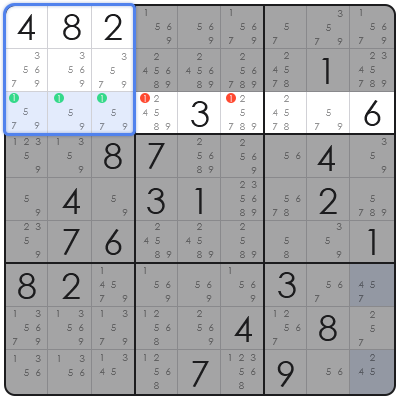
- Pointing Pairs: Identify pairs of numbers that can only be placed in two specific cells within a row or column, pointing towards the same cell in the other direction.
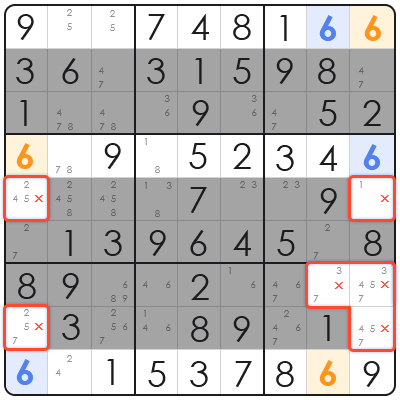
- X-Wing: When two rows or columns have two pairs of numbers that can only go in two cells, and those cells are in different rows or columns, you have an X-Wing pattern.
How to Play Sudoku
- Start with Easy Puzzles: Begin with simpler puzzles to understand the basic principles before moving on to more challenging ones.
- Look for Missing Numbers: Identify rows, columns, or subgrids that lack certain numbers and start filling them in.
- Use Pencil Marks: Write potential numbers in pencil on the grid to avoid mistakes and keep track of possibilities.
- Eliminate Possibilities: Use logical deduction to eliminate numbers from the possible options for each cell.
- Look for Patterns: Recognize patterns like Unique Pairs, Pointing Pairs, and X-Wings to solve complex puzzles.
- Check Your Work: Regularly review your progress to ensure you haven’t made any mistakes.
Conclusion
Sudoku number combinations and their logical application are at the heart of solving this classic puzzle. By understanding the rules, recognizing patterns, and applying logical deduction, you can enjoy hours of brain-teasing fun. Whether you’re a seasoned Sudoku player or a beginner, the challenge of solving a Sudoku puzzle is a rewarding experience that enhances cognitive skills and problem-solving abilities. Happy solving!